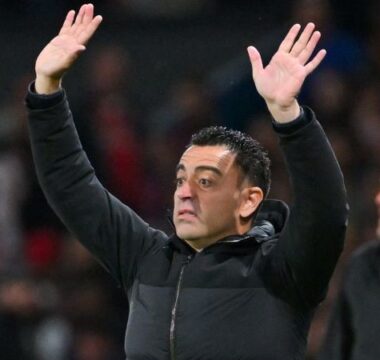
ลิเวอร์พูล บุกย้ำแค้นฟูแล่ม ยังไม่หลุดโคจรลุ้นแชมป์ “หงส์แดง” ลิเวอร์พูล ยังคงอยู่ในเส้นทางลุ้นแชมป์ลีกหลังจากที่บุกไปถล่มฟูแล่มถึงถิ่น 3-1 กลับมามีแต้มเท่าจ่าฝูงอย่างอาร์เซน่อล อีกครั้ง ฟุตบอลพรีเมียร์ลีกคู่ซันเดย์ไนท์เมื่อคืนวันอาทิตย์ที่ผ่านมา “เจ้าสัวน้อย” ฟูแล่มทีมอันดับ 12 ของตารางที่ไม่มีลุ้นอะไรทั้งนั้นเปิดสนามคราเวน คอทเทจ รังเหย้าของตัวเองต้อนรับการมาเยือนของ “หงส์แดง” Liverpool ทีมอันดับ 3 ที่ต้องการ 3 คะแนนเพื่อทำแต้มเทียบจ่าฝูงอย่างอาร์เซน่อล โดยเกมนัดนี้ใช้โรดรีโก มูนิซ เป็นหัวหอกตัวเดียว ส่วนทีมเยือนมีการโรเตชั่นเกมรุก ได้ดิโอโก โจต้า กลับมาลงสนามประกบข้างด้วยโคดี้ กั๊คโป และหลุยส์ ดิอาซ เริ่มเกมการแข่งขันในครึ่งแรก ทั้งสองทีมยังผลัดกันรุกรับสนุก จนนาทีที่ 32 “หงส์งแดง” มาได้ลูกฟรีคิกนอกกรอบเขตโทษและเป็นเทรนท์ อเล็กซานเดอร์-อาร์โนล ที่ยิงเข้าไปอย่างเฉียบขาด ทีมเยือนออกนำ 1-0 แต่ในช่วงทดเวลาบาดเจ็บนาทีที่ 45+2 เจ้าบ้านก็มาตีเสมอจากการยิงของทิโมธี คาสตานเญ ทำให้จบครึ่งแรกไปด้วยสกอร์ 1-1 ในช่วงครึ่งหลังเป็นผู้มาเยือนที่ขึ้นนำได้อีกครั้งจากการยิงไกลนอกกรอบเขตโทษของ ไรอัน กราเวนเบิร์ช ที่ปั่นเช็ดเสาเข้าไปแบบสวยงาม สกอร์กลับมาเป็น 2-1 […]