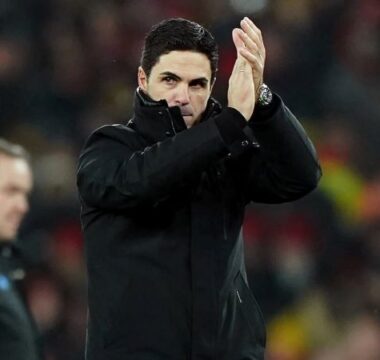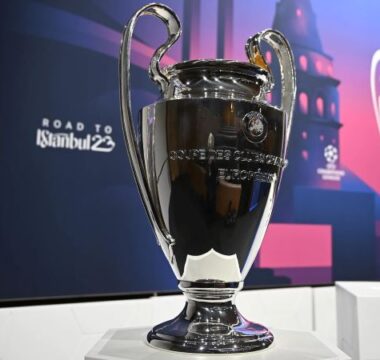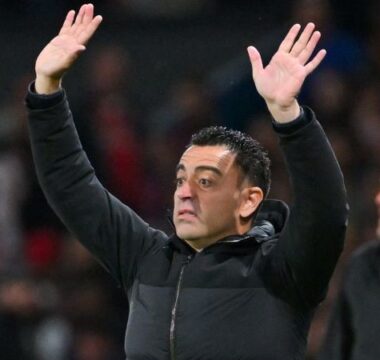
ชาบี สุดมั่นใจบาร์ซ่ากลับมาพร้อมสู้บิ๊กทีมยุโรป ชาบี เฮร์นันเดส เฮดโค้ช “เจ้าบุญทุ่ม” บาร์เซโลน่า กล่าวยกย่องลูกทีมที่สามารถบุกไปเอาชนะปารีส แซงต์-แชร์กแมง ได้ถึงถิ่นปาร์ค เดส์ แพรงส์ 3-2 ในศึกยูฟ่า แชมเปี้ยนส์ลีก รอบ 8 ทีมสุดท้ายนัดแรกเมื่อคืนวันพุธที่ผ่านมา พร้อมยืนยันว่าตอนนี้ยักษ์ใหญ่แห่งแคว้นคาตาลันพร้อมที่จะสู้กับทีมใหญ่ของยุโรปทุกทีมอีกครั้งแล้ว ในเกมดังกล่าวราฟินญา เป็นผู้ทำประตูขึ้นนำให้กับบาร์ซ่า ก่อนที่เปแอสเชจะมายิงสองประตูรวดพลิกกลับมานำอีกครั้งจากอุสมาน เด็มเบเล่และวิทินญ ภายในช่วงเวลา 6 นาทีแรกของเกมการแข่งขัน ก่อนที่ราฟินญาจะมายิงประตูที่สองของตัวเองให้ทีมตีเสมอ และเป็นอันเดรียส คริสเตนเซ่น ตัวสำรองที่ลงสนามมาในนาทีที่ 77 โหม่งทำประตูชัยให้กับทีมได้สำเร็จในท้ายที่สุด “เรามีเวลาเตรียมพร้อมสำหรับเกมนี้และทุกอย่างเป็นไปด้วยดี ทั้งเกมรุกและเกมรับ” ชาบี ให้สัมภาษณ์ เราภูมิใจกับทีมของเรา ปารีสเล่นได้ดีมาก แต่เราทำให้พวกเขาอันตรายน้อยที่สุด” “มันคือชัยชนะที่ยอดเยี่ยมเหนือหนึ่งในทีมที่ดีที่สุดในโลก แต่เรายังผ่านมาเพียงครึ่งทางเท่านั้น และมันจะยากยิ่งขึ้นเมื่อเรากลับมาเล่นที่บาร์เซโลน่า” ปัจจุบัน ชาบี คุมทัพ “อัลซูกราน่า” ไม่แพ้ใครมาติดต่อกันนานถึง 12 นัด นับตั้งแต่เจ้าตัวประกาศเตรียมอำลาสโมสรหลังจบฤดูกาลนี้ สนับสนุนข่าวกีฬาโดย: betflix wallet อ่านข่าวกีฬาอื่น ๆ […]